 English
 русский
 Français
 عربى
عربى Español
 Português
 简体中文
简体中文
Why Choose Ergonomic Classroom Desk and Chairs?
Choosing ergonomic Classroom Desk and Chairs matters because students spend an enormous share of their day seated, and furniture that fails to support their bodies correctly creates a physical distraction that competes directly with learning. Published guidance on classroom seating notes that students spend 5 to 7 hours daily sitting in classrooms, and research on ergonomic interventions in educational settings has found they can increase time on task by up to 30 percent compared with traditional furniture configurations. That is not a marginal improvement, it is a substantial shift in how much of the school day students actually spend engaged with learning rather than shifting, slouching or fidgeting to manage physical discomfort.
Content
- 1 Why Sitting Posture Affects Learning in the First Place
- 2 What the Research Shows About Ergonomic Furniture and Test Scores
- 3 Core Features That Define Ergonomic Classroom Furniture
- 4 Ergonomic vs Standard Classroom Furniture
- 5 Age Specific Ergonomic Considerations
- 6 Beyond Academic Performance: Health and Engagement Benefits
- 7 Evaluating Ergonomic Furniture Before You Buy
Why Sitting Posture Affects Learning in the First Place
Classroom seating is a form of what ergonomics researchers call static work, meaning the muscular effort required to hold the body upright and stationary over extended periods, distinct from the more familiar concept of physical exertion through movement. Academic research on educational furniture design explains that long term inappropriate posture and discomfort caused by improperly designed chairs and desks can affect not just comfort but learning, academic performance and even the physical growth of students, since chairs that do not match a student's body proportions force compensating postures that the body cannot sustain comfortably for hours at a time. This same research links properly matched, ergonomically designed furniture to reduced risk of musculoskeletal disorders and measurably increased efficiency and concentration in the classroom.
What the Research Shows About Ergonomic Furniture and Test Scores
The connection between ergonomic furniture and academic performance is not purely theoretical. A published classroom study examining child sized, ergonomically appropriate furniture found that students using properly sized furniture reported feeling more physically supported, showed higher concentration ratings than students in non ergonomic classrooms, and ultimately produced greater gains in test scores than a control group using standard furniture. The same study observed that ergonomic seating reduced off task movements and increased sustained attention, concluding that the furniture change appeared to directly address a physiological constraint on learning, essentially freeing students from managing physical discomfort so they could concentrate more fully on academic tasks.
Core Features That Define Ergonomic Classroom Furniture
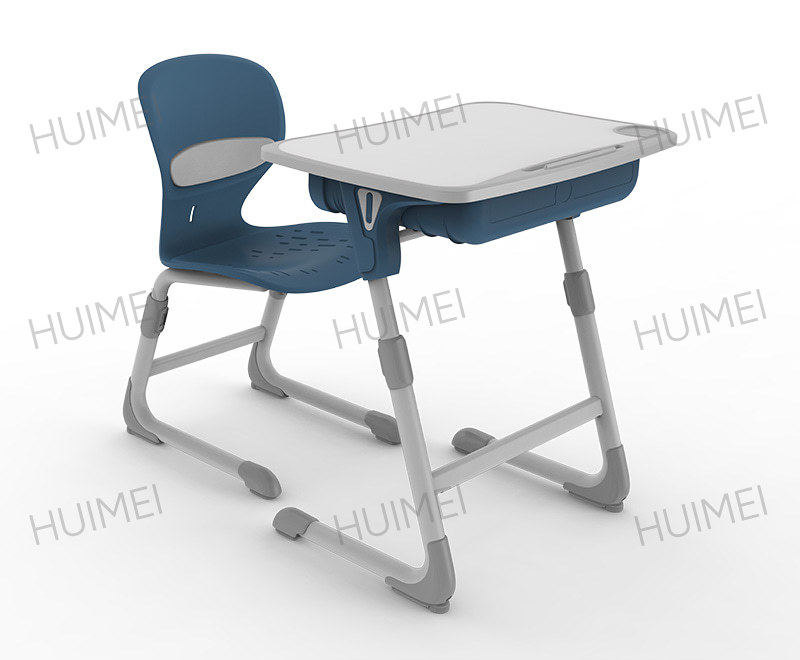
Ergonomic classroom furniture is defined by specific design choices that support the body's natural posture rather than forcing students to adapt to poorly fitted dimensions. The most important of these features work together rather than independently, since a chair with excellent lumbar support paired with a desk at the wrong height still leaves a student compensating with poor posture.
Key Ergonomic Design Elements
- Proper desk and seat height matched to student stature, forming the foundation every other ergonomic feature builds on
- Lumbar support that maintains the natural curve of the spine, reducing chronic back strain during long seated periods
- Seat depth and backrest angle that support the thighs and lower back without restricting circulation
- Swivel or limited mobility features that let students shift position and engage with peers or teachers without straining
- Rounded, safe edges and stable construction appropriate to the age group using the furniture
Ergonomic vs Standard Classroom Furniture
| Factor | Standard Classroom Furniture | Ergonomic Classroom Furniture |
| Posture Support | Fixed shape, limited adjustment to student body | Designed around natural spine and body alignment |
| Concentration Impact | Discomfort competes with focus over long periods | Supports sustained attention, up to 30 percent more time on task |
| Musculoskeletal Risk | Higher risk of back, neck and shoulder strain | Reduced strain through proper alignment and support |
| Movement and Engagement | Limited mobility, static seated position | Swivel or adjustable features support natural movement |
Age Specific Ergonomic Considerations
Ergonomic needs shift as students grow, which means the specific priorities behind choosing ergonomic furniture differ meaningfully between elementary, middle and secondary classrooms. Younger students benefit most from furniture that supports developing posture habits early, since musculoskeletal patterns established in elementary school can influence sitting habits well into later school years. Older students, who typically spend longer stretches at a desk during exam preparation, project work and independent study, benefit more directly from features supporting extended focus, such as lumbar support and adjustable positioning, since the physical demands of longer, more sedentary academic work increase as students progress through school.
Beyond Academic Performance: Health and Engagement Benefits
The case for ergonomic classroom furniture extends beyond test scores into broader student wellbeing. Guidance on classroom ergonomics notes that good posture also supports better breathing and circulation, which contributes to cognitive function beyond just physical comfort. There is also a documented psychological dimension to this investment, with research indicating that students often feel more valued, respected and motivated when their physical comfort needs are prioritized by their school, suggesting that ergonomic furniture communicates something to students about institutional care that extends past the furniture itself.
Evaluating Ergonomic Furniture Before You Buy
- Confirm desk and chair height are matched to your actual student age range, not a generic classroom standard
- Check for lumbar and back support features appropriate to the length of time students will be seated
- Look for swivel, tilt or limited mobility features that support natural movement without disrupting the classroom
- Verify construction is stable and durable enough to sustain ergonomic performance across years of daily use
- Where possible, trial furniture with real students before committing to a full classroom order
Choosing ergonomic classroom furniture is a practical decision with measurable returns, not a discretionary comfort upgrade, since research consistently links proper posture support to reduced musculoskeletal strain, up to 30 percent more time on task and real gains in academic test performance. Given how many hours students spend seated across a single school day, the physical support their desk and chair provide directly shapes how much of that time is available for actual learning rather than managing discomfort. A well designed Classroom Desk and Chairs set built around genuine ergonomic principles gives schools a straightforward way to support both student health and classroom performance at the same time.
Copyright© Zhejiang Huimei Industry & Trade Co., Ltd. All Rights Reserved.
Professional School Furniture Manufacturer School Furniture Supplier