 English
 русский
 Français
 عربى
عربى Español
 Português
 简体中文
简体中文
what is best for cleaning Classroom Desk and Chairs in classroom
The best way to clean classroom desks and chairs is using a mild soap and water solution or a diluted all purpose cleaner applied with a soft cloth, followed by a clean water wipe down and thorough drying, since this approach effectively removes dirt, ink, and grime without damaging common desk surfaces like laminate, or chair materials like painted metal and molded plastic. Harsh abrasive cleaners or excessive moisture should generally be avoided, since they can dull laminate finishes or cause metal frame components on furniture such as Classroom Desk and Chairs to corrode over time if not properly dried after cleaning.
The sections below break down cleaning methods for each common material type, how to handle stubborn stains like ink and adhesive, and a practical maintenance schedule that keeps classroom furniture looking presentable throughout the school year.
Content
Cleaning Laminate Desk Surfaces
Laminate remains one of the most common desktop materials in classroom furniture, and it requires a cleaning approach that balances effectiveness with surface protection.
Recommended Cleaning Solution
A mixture of mild dish soap and warm water applied with a soft microfiber cloth is generally sufficient for daily or weekly cleaning of laminate desktops, effectively removing everyday dirt, fingerprints, and light residue without stripping the surface finish.
What to Avoid on Laminate
Abrasive scouring pads, strong solvents, and undiluted bleach solutions should be avoided on laminate surfaces, since these can cause dulling, discoloration, or microscopic scratching that becomes more noticeable over repeated cleaning cycles.
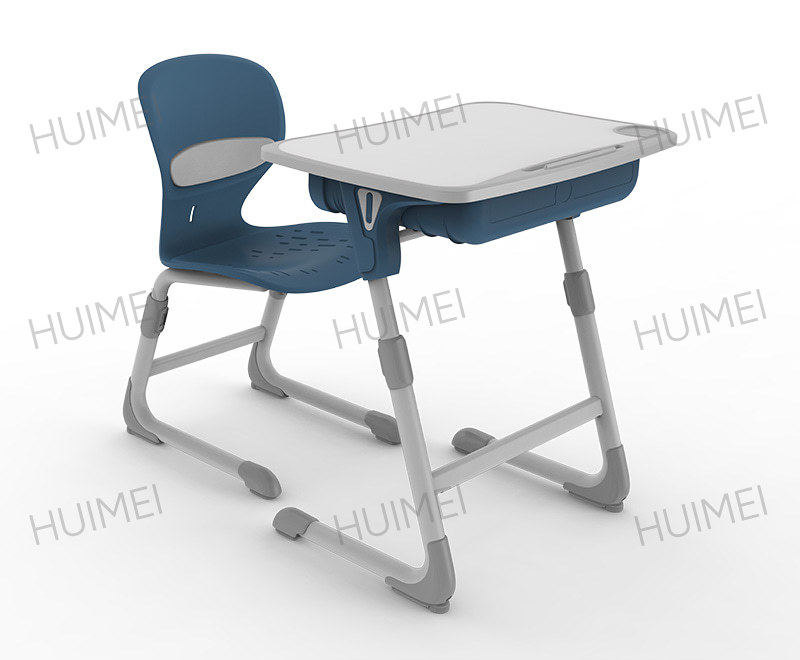
Cleaning Metal Frame Components
Chair and desk frames are commonly constructed from painted or powder coated steel, which requires slightly different care to prevent corrosion and finish damage.
Routine Wipe Down
A damp cloth with a small amount of mild detergent works well for regular cleaning of metal frames, followed immediately by a dry cloth to remove excess moisture, since standing water left on metal joints or welded seams can gradually promote surface rust over time.
Addressing Early Rust Spots
If small rust spots appear on frame joints, a light application of a rust removing solution followed by a protective touch up coating can prevent the corrosion from spreading, which is particularly relevant in classrooms located in humid climates where moisture exposure is more frequent.
Cleaning Plastic Seats and Backrests
Molded plastic components on classroom chairs are generally the easiest to clean but still benefit from consistent care to maintain hygiene and appearance.
| Cleaning Task | Recommended Method |
| Daily surface dust and dirt | Dry microfiber cloth wipe down |
| General grime and fingerprints | Mild soap and water solution |
| Disinfecting for hygiene | Diluted disinfectant approved for plastic surfaces |
| Stubborn scuff marks | Baking soda paste with gentle scrubbing |
Using a disinfectant specifically labeled as safe for plastic surfaces helps avoid unintended discoloration or material breakdown that some stronger disinfectant chemicals can cause on certain plastic formulations over repeated use.
Removing Common Stubborn Stains
Certain stains show up repeatedly on classroom furniture due to typical daily use, and each generally responds better to a specific removal technique.
Ink and Marker Stains
Rubbing alcohol applied to a soft cloth is commonly effective at lifting ink and marker residue from laminate and plastic surfaces without damaging the finish, though it should always be tested on a small inconspicuous area first to confirm compatibility with the specific surface material.
Chewing Gum and Adhesive Residue
Applying an ice cube to harden gum before gently scraping it off with a plastic scraper, followed by a small amount of rubbing alcohol to remove any remaining sticky residue, is a widely recommended household method that works well on most classroom furniture surfaces.
Crayon and Wax Marks
A combination of gentle heat from a hairdryer to soften the wax, followed by wiping with a soft cloth, generally removes crayon marks effectively without requiring harsh chemical cleaners that could damage the desk finish.
Recommended Cleaning Schedule
Establishing a consistent cleaning routine helps maintain classroom furniture appearance and hygiene without requiring excessive daily effort.
- Daily quick wipe down of desktops to remove surface dust and visible dirt
- Weekly deeper cleaning with mild soap solution for desks, chairs, and frame joints
- Monthly inspection for stains, scuffs, or early signs of frame corrosion
- Term end deep cleaning session addressing all stubborn stains and full furniture disinfection
General school facility maintenance guidance commonly recommends increasing cleaning frequency during peak illness seasons, particularly for shared touchpoints like desk edges and chair armrests, to help reduce the spread of common classroom illnesses.
Cleaning Practices That Protect Furniture Longevity
Beyond routine cleaning, a few broader habits help extend the usable life of classroom furniture over multiple school years.
- Always dry surfaces thoroughly after wet cleaning to prevent moisture damage to laminate edges or metal joints
- Avoid placing hot items directly on desk surfaces, since heat can warp or discolor certain laminate finishes
- Test any new cleaning product on a small hidden area before full application across all classroom furniture
- Address spills and stains promptly rather than allowing them to set, since fresh stains are generally much easier to remove
Choosing durable, easy to clean materials from the start also makes ongoing maintenance simpler, which is why many schools select Classroom Desk and Chairs built with cleaning friendly surfaces and finishes designed to withstand years of regular classroom use and cleaning.
Summary
Cleaning classroom desks and chairs effectively comes down to using gentle, material appropriate cleaning solutions, addressing common stains like ink and gum with targeted methods, and following a consistent daily, weekly, and term based cleaning schedule. Taking care to dry surfaces properly and avoid harsh abrasive products helps protect furniture finishes over time, keeping classroom furniture looking presentable and hygienic throughout the school year.
Copyright© Zhejiang Huimei Industry & Trade Co., Ltd. All Rights Reserved.
Professional School Furniture Manufacturer School Furniture Supplier