 English
 русский
 Français
 عربى
عربى Español
 Português
 简体中文
简体中文
What Features Matter in Dormitory Furniture?
The features that matter most in dormitory furniture include durability for heavy-use longevity, space efficiency for limited room dimensions, multi-functionality for versatile use, safety compliance for student protection, and ergonomic comfort for academic performance. These core features ensure furniture supports student success while withstanding the demands of communal living environments.
Content
Durability and Longevity Features
Heavy-Duty Construction
Dormitory furniture must endure continuous use by multiple students over 10-15 year lifespans. Critical durability features include solid hardwood or commercial-grade metal frames, reinforced joints with metal brackets or dowels, and high-pressure laminate surfaces that resist scratches and stains. Bed frames should support at least 400 pounds distributed weight. Desk surfaces must withstand writing pressure, equipment weight, and occasional impacts without damage.
Wear-Resistant Components
Features that extend furniture life include replaceable wear pads on chair feet, scratch-resistant desk coatings, and fabric upholstery rated for commercial use. Drawer glides should operate smoothly through thousands of cycles. Hardware must resist loosening from vibration and repeated use. Quality manufacturers provide 10-year or longer warranties indicating confidence in product longevity.
Space Efficiency Features
Vertical Space Optimization
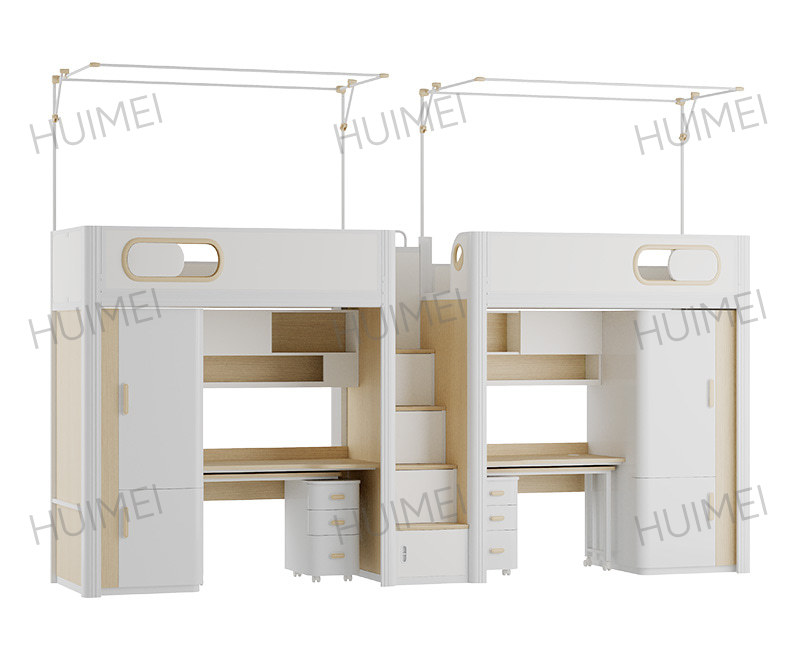
Essential space-saving features include loft bed configurations with 30+ inches of clearance underneath for desks or storage, tall shelving units reaching ceiling height, and wall-mounted components that free floor space. Under-bed storage clearance of at least 12 inches accommodates standard storage containers. Wardrobes should maximize hanging and shelf space within minimal footprints.
Multi-Functional Design Elements
Features enabling multiple uses include desks with fold-up leaves for expanded workspace, ottomans with internal storage, beds with integrated shelving headboards, and seating that converts to sleep surfaces for guests. Each furniture piece should serve at least two functions to maximize utility in confined spaces. Modular components allow reconfiguration as needs change.
The following table summarizes critical space efficiency features:
| Feature | Specification | Benefit |
|---|---|---|
| Loft bed clearance | 30+ inches | Accommodates desk, seating underneath |
| Under-bed height | 12+ inches | Fits storage containers, luggage |
| Desk surface | 24x36 inches minimum | Adequate workspace for study |
| Wardrobe depth | 24 inches | Full-size hanger accommodation |
| Wall mounting | Integrated brackets | Frees floor space, stability |
Safety and Compliance Features
Structural Safety Elements
Critical safety features include guardrails on elevated beds measuring at least 5 inches above mattress surface, gap spacing under 3.5 inches to prevent entrapment, and tip-resistant design or anchoring hardware for tall furniture. Bed frames must eliminate pinch points and sharp edges. Weight ratings should exceed anticipated loads by substantial margins. All components must meet ASTM, BIFMA, and CPSC safety standards.
Fire Safety Compliance
Upholstered furniture must feature fire-resistant materials meeting CAL 117 or similar flame resistance standards. Mattress materials should resist ignition from smoldering cigarettes. Surface finishes should be low-VOC to maintain indoor air quality. Fire safety features protect both individual students and entire residence communities.
Comfort and Ergonomic Features
Ergonomic Support Features
Features promoting physical health include adjustable-height seating accommodating different student statures, lumbar support in desk chairs, and desk surfaces at appropriate heights for writing and computer use. Mattress support should maintain spinal alignment. Task lighting features reduce eye strain. These ergonomic elements directly impact student comfort, health, and academic performance capacity.
Environmental Comfort
Features enhancing living comfort include breathable upholstery materials, mattress ventilation for temperature regulation, and furniture finishes that are pleasant to touch. Acoustic considerations may include sound-absorbing panels or furniture placement that minimizes noise transmission. These comfort features contribute to student satisfaction and wellbeing.
Technology Integration Features
Power and Connectivity Integration
Modern dormitory furniture must accommodate technology needs. Essential features include integrated power outlets and USB charging ports in desks and bedside areas, cable management channels that prevent cord clutter, and surge protection integration. Wi-Fi signal considerations may influence material selection to avoid interference. These technology features support the digital lifestyle essential to contemporary education.
Flexible Learning Support
Features supporting academic success include adjustable task lighting, whiteboard or pinboard surfaces for note-taking, and furniture mobility that enables room reconfiguration for study groups. Video conferencing support may require specific furniture positioning or acoustic considerations. These features transform dormitory rooms from mere sleeping spaces into effective learning environments.
Maintenance and Operational Features
Ease of Maintenance
Features that simplify upkeep include stain-resistant surfaces that clean easily, replaceable components like drawer pulls and caster wheels, and modular construction that allows individual part replacement. Furniture should withstand standard cleaning chemicals without degradation. These maintenance features reduce operational costs and extend furniture service life.
Installation and Mobility
Features facilitating installation include knock-down construction for maneuvering through doorways, clear assembly instructions, and minimal tool requirements. Mobility features like locking casters enable easy room reconfiguration while maintaining stability when stationary. These operational features reduce facility management burden during move-in and move-out periods.
Copyright© Zhejiang Huimei Industry & Trade Co., Ltd. All Rights Reserved.
Professional School Furniture Manufacturer School Furniture Supplier