 English
 русский
 Français
 عربى
عربى Español
 Português
 简体中文
简体中文
What are the uses of university library furniture?
University library furniture serves several core functions, including supporting individual quiet study, enabling group collaboration, organizing and displaying book collections, and providing comfortable long-duration seating for students and researchers spending extended hours on campus. Rather than a single furniture type, a functional academic library relies on a coordinated mix of pieces, each addressing a specific use case that reflects how students actually engage with library space throughout a typical semester. Higher education facility planning research commonly referenced in campus design studies notes that libraries increasingly allocate a significant portion of floor space to flexible, multi-use furniture arrangements rather than traditional fixed reading rooms, reflecting how student study habits have diversified beyond solitary reading toward collaborative and technology-integrated work.
Content
- 1 Supporting Individual Quiet Study
- 2 Enabling Group Collaboration and Project Work
- 3 Organizing and Displaying Book Collections
- 4 Providing Comfortable Long-Duration Seating
- 5 Supporting Technology Integration in Study Spaces
- 6 Creating Flexible Multi-Purpose Spaces
- 7 Accommodating Diverse Study Preferences
- 8 Who Should Prioritize These Furniture Uses Most
Supporting Individual Quiet Study
One of the most fundamental uses of library furniture is providing dedicated space for focused, individual study, where students need minimal distraction and a stable surface for extended reading or writing sessions.
Key Furniture Types for Individual Study
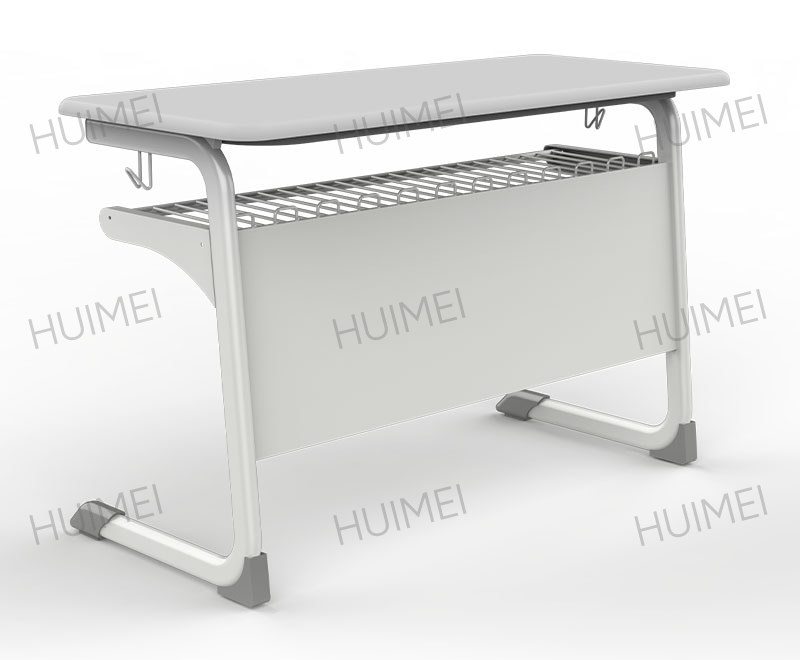
- Study carrels that provide partial visual separation from surrounding activity
- Single-occupancy desks positioned near natural light sources or quiet zones
- Ergonomic task chairs designed to support proper posture during multi-hour study sessions
Well-designed University library furniture intended for individual study typically balances enclosed privacy with adequate surface space for laptops, textbooks, and notetaking materials, since students often work across multiple materials simultaneously during exam preparation or research writing.
Enabling Group Collaboration and Project Work
Modern academic work increasingly involves group projects, study sessions, and collaborative research, requiring furniture arrangements that support multiple students working together comfortably in the same space.
Comparing Individual and Collaborative Furniture Needs
| Furniture Type | Primary Use Case |
| Study carrel | Solo, distraction-free study |
| Round or rectangular group table | Small group discussion and collaborative work |
| Movable modular seating | Flexible reconfiguration for varying group sizes |
Group-oriented tables and modular seating arrangements allow libraries to accommodate the shifting needs of project teams throughout a semester, supporting everything from two-person study pairs to larger group presentation rehearsals within the same general area.
Organizing and Displaying Book Collections
Beyond seating and study surfaces, shelving and storage furniture play a foundational role in how a library organizes its physical collection and makes materials accessible to students and faculty.
Common Shelving Configurations
- Standard open shelving units for general circulating book collections
- Compact mobile shelving systems that maximize storage density in limited floor space
- Display shelving positioned near entrances to highlight new acquisitions or featured collections
Compact mobile shelving has become increasingly common in university libraries facing space constraints, since these systems allow significantly more book storage within the same physical footprint compared to traditional fixed-aisle shelving arrangements.
Providing Comfortable Long-Duration Seating
Because students often spend several consecutive hours in the library during peak study periods, seating comfort and ergonomic support become important practical considerations rather than simply aesthetic choices.
Why Ergonomic Design Matters in Academic Settings
Poorly designed seating can contribute to physical discomfort and reduced concentration during extended study sessions, making adjustable task chairs and properly proportioned desk heights meaningful factors in supporting sustained academic focus, particularly during high-stress periods such as final exam weeks.
Balancing Comfort With Durability
Library furniture must also withstand heavy daily use across an entire academic population, meaning seating and desk materials need to balance ergonomic comfort with the structural durability required for years of continuous, high-frequency use.
Supporting Technology Integration in Study Spaces
Contemporary library furniture increasingly accommodates laptops, tablets, and charging needs, reflecting how digital research and notetaking have become integrated into standard student study habits.
Technology-Supportive Furniture Features
- Built-in power outlets and charging ports integrated directly into study desks and tables
- Cable management features that keep charging cords organized and reduce trip hazards
- Adjustable-height desks that accommodate both laptop use and traditional reading materials comfortably
Libraries updating older furniture inventories often prioritize adding these technology accommodations, since students increasingly expect reliable device charging access as a baseline feature of any study space they choose to occupy for extended periods.
Creating Flexible Multi-Purpose Spaces
Many university libraries now design certain furniture zones to be reconfigurable, allowing the same physical space to serve different functions depending on time of day or seasonal demand throughout the academic calendar.
Benefits of Modular, Reconfigurable Furniture
Lightweight, easily moved tables and seating allow library staff to quickly transform a quiet study area into a workshop or event space when needed, maximizing the practical utility of limited square footage without requiring separate dedicated rooms for each distinct use case.
Supporting Special Events and Programming
Flexible furniture arrangements also support library-hosted events such as guest lectures, workshops, or exhibition displays, allowing the space to serve the broader academic community beyond its core function as a study and research environment.
Accommodating Diverse Study Preferences
Students have varied preferences for study environment, from fully enclosed quiet zones to more open, socially visible spaces, and a well-planned furniture layout addresses this diversity rather than assuming a single ideal study setup.
Zoning Strategies for Different Study Styles
Many libraries designate distinct zones featuring different University library furniture configurations, ranging from silent individual carrels in designated quiet floors to more relaxed lounge-style seating in social study areas, allowing students to select the environment that best matches their personal concentration needs on any given day.
Who Should Prioritize These Furniture Uses Most
University facility planners and library administrators overseeing renovation or new construction projects should prioritize a balanced mix of individual, collaborative, and technology-supportive furniture types to address the full range of student study needs. Institutions serving large graduate research populations should place particular emphasis on quiet individual study furniture and adequate shelving capacity, while undergraduate-focused libraries may benefit from allocating more space toward flexible, collaborative furniture arrangements that support group project work throughout the academic term.
Copyright© Zhejiang Huimei Industry & Trade Co., Ltd. All Rights Reserved.
Professional School Furniture Manufacturer School Furniture Supplier