 English
 русский
 Français
 عربى
عربى Español
 Português
 简体中文
简体中文
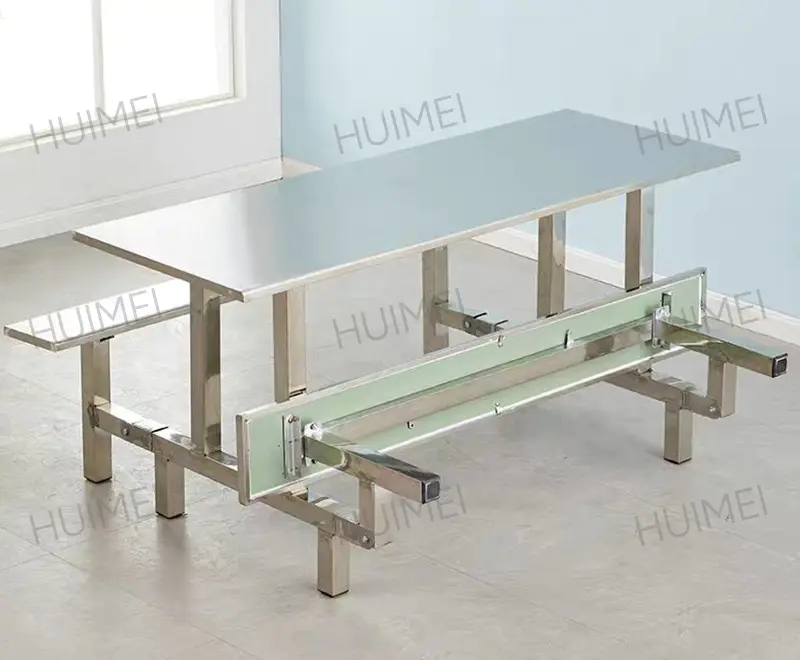
What are the advantages of a stainless steel dining table with benches?
A stainless steel dining table with benches offers superior durability, effortless cleaning, corrosion resistance, and space-efficient seating compared to traditional wood tables with individual chairs, making it a practical choice for busy households, commercial kitchens, and high-traffic dining environments. Since stainless steel resists scratching, staining, and moisture damage far better than wood or laminate surfaces, this table style holds up well under daily use without the frequent refinishing or repair that wooden furniture often requires over time. Material durability testing commonly referenced in commercial furniture manufacturing shows that stainless steel surfaces can withstand significantly higher impact and abrasion resistance compared to standard wood veneer tabletops, which is a major reason this material has become popular for both residential and commercial dining applications.
Content
- 1 Exceptional Durability for Daily Use
- 2 Effortless Cleaning and Hygiene Advantages
- 3 Corrosion and Rust Resistance
- 4 Space Efficiency Through Bench Seating
- 5 Suitability for Commercial and High-Traffic Environments
- 6 Weather Resistance for Indoor and Semi-Outdoor Use
- 7 Long-Term Cost Value Compared to Alternative Materials
- 8 Who Benefits Most From a Stainless Steel Dining Table with Benches
Exceptional Durability for Daily Use
Stainless steel construction gives dining tables a level of physical resilience that few other materials can match, making it particularly well suited to households or environments where furniture experiences frequent, heavy use.
Key Durability Benefits
- Resistance to dents and scratches from everyday dining activities and dish handling
- No risk of warping or swelling from moisture exposure, unlike untreated wood surfaces
- Structural strength that supports heavier loads without sagging or joint weakening over time
A well-constructed Stainless Steel Dining Table with Benches maintains its structural integrity and appearance even after years of daily meals, spills, and general household activity, offering a level of long-term reliability that wood alternatives often cannot match without regular maintenance.
Effortless Cleaning and Hygiene Advantages
Cleaning convenience is one of the most practical everyday benefits of stainless steel dining furniture, particularly for households with children or in commercial settings where hygiene standards matter significantly.
Cleaning Comparison
| Material | Cleaning Requirements |
| Wood dining table | Requires careful cleaning to avoid moisture damage and periodic refinishing |
| Stainless steel dining table | Simple wipe down with mild soap and water, no special treatment needed |
Stainless steel's non-porous surface resists bacteria buildup and food residue absorption, making it easier to maintain proper hygiene standards compared to wood surfaces that can absorb moisture and odors over repeated use if not properly sealed and maintained.
Corrosion and Rust Resistance
Unlike standard steel, stainless steel contains chromium content that forms a protective oxide layer, giving it strong resistance to rust and corrosion even when exposed to moisture or humid environments over extended periods.
Why This Matters for Dining Furniture
Regular exposure to spilled liquids, condensation from beverages, and general kitchen humidity can gradually damage untreated wood or lower-grade metal furniture, whereas stainless steel maintains its structural and aesthetic integrity without developing rust spots or surface degradation under similar conditions.
Long-Term Appearance Retention
This corrosion resistance also helps stainless steel dining tables maintain their original polished or brushed finish appearance far longer than materials prone to staining, discoloration, or rust formation over years of regular use.
Space Efficiency Through Bench Seating
Pairing a stainless steel table with benches rather than individual chairs offers practical space-saving advantages, particularly valuable in smaller dining areas or commercial settings where maximizing seating capacity matters.
Bench Seating Advantages
- Benches can accommodate more people per linear foot compared to individual chairs
- Bench seating can be tucked fully under the table when not in use, reducing visual clutter
- Flexible seating arrangement allows accommodating guests of varying sizes more easily than fixed individual chairs
This space efficiency makes bench-style seating particularly popular in compact dining areas, cafeterias, and communal dining settings where maximizing seating capacity without overcrowding the space is a practical priority.
Suitability for Commercial and High-Traffic Environments
Beyond residential use, stainless steel dining tables with benches are widely used in commercial kitchens, cafeterias, and food service environments where furniture must withstand constant, heavy use throughout the day.
Commercial Application Benefits
- Resistance to frequent cleaning cycles required in food service environments
- Durability under heavy daily use from high customer or staff turnover throughout operating hours
- Compliance with hygiene standards often required in commercial food preparation and dining areas
These properties make a Stainless Steel Dining Table with Benches a practical furniture choice for institutional cafeterias, staff break rooms, and commercial kitchen dining areas where both durability and hygiene compliance are ongoing operational priorities.
Weather Resistance for Indoor and Semi-Outdoor Use
Stainless steel's inherent weather resistance also makes it a suitable choice for semi-outdoor dining spaces, such as covered patios or sunrooms, where standard wood furniture might otherwise require additional protective treatment.
Performance in Varying Conditions
Temperature fluctuations and humidity changes that would typically cause wood to expand, contract, or warp over time have minimal effect on stainless steel's dimensional stability, allowing it to maintain consistent performance across a wider range of environmental conditions.
Long-Term Cost Value Compared to Alternative Materials
While stainless steel dining furniture may carry a higher initial purchase price than some wood alternatives, its extended durability and minimal maintenance requirements often result in better long-term value.
Total Cost of Ownership Considerations
Avoiding the need for periodic refinishing, sealing, or repair that wood furniture typically requires over years of use means stainless steel tables often deliver a lower effective cost per year of ownership, particularly in high-use commercial or busy household settings where furniture wear accumulates quickly.
Who Benefits Most From a Stainless Steel Dining Table with Benches
Busy households with children, commercial kitchens, cafeterias, and any dining environment experiencing frequent, heavy daily use benefit most from choosing stainless steel dining furniture over traditional wood alternatives. Property owners prioritizing long-term durability, easy maintenance, and space-efficient seating arrangements will generally find that the combination of material resilience and bench-style seating offers meaningful practical advantages over conventional dining table and chair setups.
Copyright© Zhejiang Huimei Industry & Trade Co., Ltd. All Rights Reserved.
Professional School Furniture Manufacturer School Furniture Supplier