 English
 русский
 Français
 عربى
عربى Español
 Português
 简体中文
简体中文
how to use Classroom Desk and Chairs in a classroom
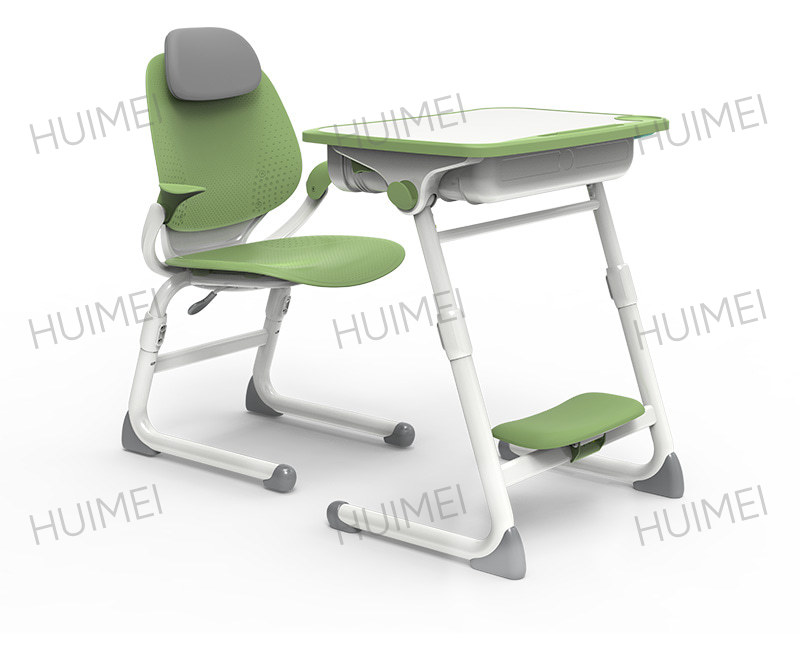
Using classroom desks and chairs effectively starts with matching seat and desk height to student age and body size, arranging furniture layout to match the teaching activity, and maintaining consistent spacing for safe movement and supervision. Properly sized and arranged furniture, such as Classroom Desk and Chairs designed for specific age groups, directly supports posture, reduces fatigue during long study periods, and makes classroom management noticeably easier for teachers throughout the school day.
The sections below cover sizing guidance, layout strategies for different lesson types, maintenance practices, and practical tips for getting the most functional use out of classroom furniture over the school year.
Content
Matching Desk and Chair Height to Students
Correct sizing is the foundation of effective classroom furniture use, since mismatched height can cause discomfort and poor posture regardless of how well the furniture is arranged.
General Sizing Guidelines by Age Group
Ergonomic guidance commonly used in school furniture design recommends that when a student is seated, their feet should rest flat on the floor with knees at roughly a 90 degree angle, and desk height should allow forearms to rest comfortably on the surface without raising the shoulders.
| Grade Level | Typical Chair Height | Typical Desk Height |
| Early primary | 26 to 31 cm | 46 to 52 cm |
| Upper primary | 31 to 35 cm | 52 to 59 cm |
| Middle school | 35 to 39 cm | 59 to 64 cm |
| High school | 39 to 43 cm | 64 to 70 cm |
These ranges reflect general school furniture sizing standards commonly referenced in educational ergonomics guidance, and adjustable height models allow a single set of furniture to accommodate a wider range of student sizes within the same classroom.
Arranging Layout Based on Teaching Activity
How desks and chairs are physically arranged in the room has a direct impact on student focus, interaction, and how easily a teacher can move around to provide support.
Row Layout for Lecture Style Instruction
Traditional rows facing the front of the room work well for lecture based instruction, testing, or activities requiring individual focus, since this layout minimizes visual distraction between students and keeps everyone oriented toward the primary instructional point.
Cluster Layout for Group Work
Arranging desks into small clusters of four to six supports group discussion and collaborative projects, allowing students to interact naturally while still maintaining individual desk space for materials and writing.
U Shape or Circle Layout for Discussion
A U shape or circular arrangement supports open class discussion by allowing students to see one another directly, which is commonly used in seminar style classes or discussion heavy subjects where peer interaction is central to the lesson.
Spacing and Movement Considerations
Beyond the arrangement pattern itself, the actual spacing between desks affects both safety and classroom flow.
- Maintain clear aisles wide enough for a teacher to walk between rows without disturbing seated students
- Leave adequate space near exits and high traffic areas to support quick, safe evacuation if needed
- Position desks away from direct glare on shared screens or whiteboards to reduce visual strain
- Allow enough space around each desk for students to push back chairs and stand without bumping neighboring furniture
Adjusting Furniture Throughout the School Year
Since younger students in particular grow noticeably over a school year, periodic reassessment of furniture fit helps maintain comfort and proper posture support.
- Check seat and desk height fit for individual students at the start of each term
- Reassign height adjustable desks and chairs as students grow throughout the year rather than waiting for a full year end review
- Rotate seating assignments periodically to balance exposure to different classroom zones such as lighting and noise levels
Schools using height adjustable furniture find this process considerably easier, since a single desk and chair set can be reconfigured to fit a growing student rather than requiring full furniture replacement partway through the academic year.
Maintenance Practices for Long Term Use
Regular upkeep helps classroom furniture remain functional, safe, and comfortable across years of daily use by multiple students.
Routine Inspection
Checking for loose screws, wobbling legs, or cracked surfaces at the start of each term helps catch minor issues before they become safety concerns or lead to more costly repairs.
Cleaning and Surface Care
Wiping down desk surfaces regularly helps prevent buildup of dirt, ink, or adhesive residue that can affect both appearance and surface durability over time, particularly for laminate or coated desk tops that see heavy daily writing use.
Choosing the Right Furniture for Flexible Classroom Use
Classrooms that regularly switch between lecture, group work, and discussion formats benefit from lightweight, stackable, or easily reconfigurable furniture that supports quick layout changes without requiring significant setup time between lessons. Reviewing options such as Classroom Desk and Chairs designed with mobility and adjustability in mind can help schools support a wider range of teaching styles with the same furniture set.
Summary
Using classroom desks and chairs effectively comes down to correct sizing for student age and body proportions, choosing a layout that matches the intended teaching activity, maintaining safe spacing for movement, and keeping up with regular maintenance and periodic fit adjustments as students grow. Thoughtful furniture use supports better posture, sustained focus, and smoother classroom management throughout the school year.
Copyright© Zhejiang Huimei Industry & Trade Co., Ltd. All Rights Reserved.
Professional School Furniture Manufacturer School Furniture Supplier