 English
 русский
 Français
 عربى
عربى Español
 Português
 简体中文
简体中文
How to choose the right library furniture?
Choosing the right library furniture requires balancing durability, ergonomics, functionality, and aesthetics while understanding how patrons actually use the space. Quality library furniture should last 10 to 15 years or more, making selection decisions critical for long-term success. The best choices prioritize user comfort and workflow efficiency while accommodating diverse activities from quiet study to collaborative work.
Content
Understanding User Needs and Space Functions
Analyzing Patron Behavior Patterns
Before selecting furniture, understand how different patron types use your library. Studiers require upright seating with excellent back support for long research sessions. Socialites need comfortable lounge areas for casual interaction. Teamworkers benefit from collaborative tables that accommodate group projects. Nomads prefer flexible, lightweight seating they can reposition easily. Recognizing that patrons often shift between these roles throughout their visit informs versatile furniture choices.
Zoning for Diverse Activities
Effective libraries create distinct zones for different activities. Quiet study areas require carrels or individual seating with visual privacy. Collaborative zones need tables that can be reconfigured for varying group sizes. Children's areas demand appropriately scaled furniture with 14-inch seat heights paired with 22-25 inch tabletops. Teen zones benefit from active seating options and technology integration. Makerspaces require durable work surfaces compatible with creative activities and adequate ventilation.
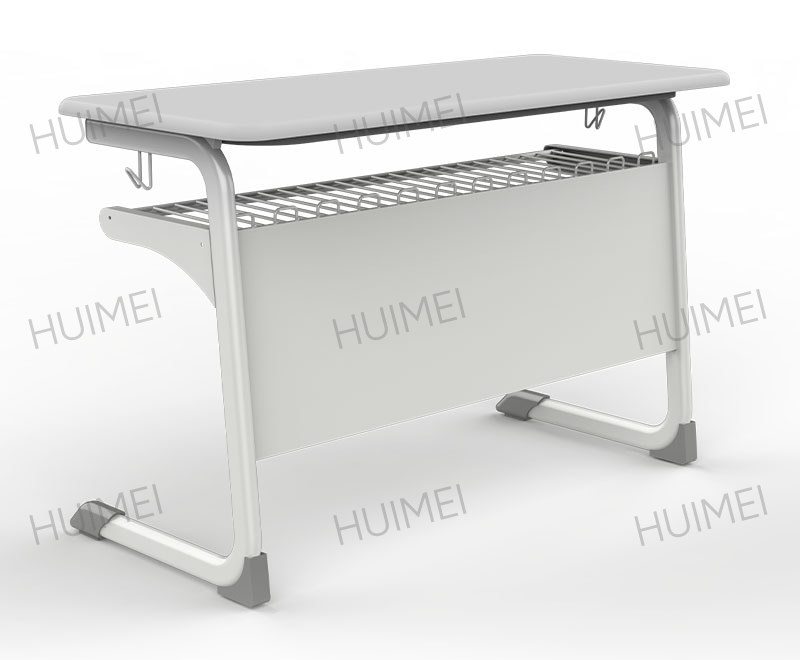
Evaluating Durability and Total Cost of Ownership
Functional Durability Standards
Library furniture must withstand significant wear and tear in constantly-used public spaces. Functional durability focuses on workmanship—will the furniture remain operational throughout its intended lifespan? Chairs should endure someone standing on the seat or leaning back on two legs. Tables must resist scratches, spills, and heavy use. Furniture that arrives in boxes with minimal fasteners typically fails quickly in public environments, creating safety hazards and requiring premature replacement.
Aesthetic Longevity Considerations
Aesthetic durability addresses how furniture maintains appearance over time. Even functionally sound pieces can look shabby after years of coffee spills, scuff marks, and ink spots. Select materials and finishes that resist staining and wear. Catalyzed low-VOC finishes on hardwood provide longevity while maintaining air quality. Higher-grade materials and superior design typically cost more upfront but deliver lower total cost of ownership through extended service life and reduced maintenance.
Material Selection Guidelines
Solid hardwood remains the traditional and most durable material for library seating, with proven examples lasting over 20 years in high-traffic institutions. Harvard University's Annenberg Hall still uses hardwood chairs built in 1992, demonstrating exceptional longevity. For upholstery, select high-performance fabrics that resist staining and abrasion. FSC-certified wood offers sustainability without compromising durability. Avoid furniture with foam placed directly over plywood without elastic webbing, as this construction fails quickly.
Prioritizing Ergonomics and Comfort
Seating Ergonomics for Extended Use
Standard library chair seat height is 17 to 18 inches, perfectly suited to standard library tables. Overall chair height typically ranges from 33 to 39 inches depending on design. Upright chairs for studying should position the back at nearly a 90-degree angle to encourage focus. Users should be able to place feet slightly underneath the seat with knees slightly bent backward. The seat pan must accommodate various body sizes without pressure on the back of the legs, and the backrest must provide sufficient lumbar support.
Table and Work Surface Specifications
Tables should offer at least six square feet per reader, preferably surfaces three feet wide by two feet deep. Graduate and doctoral students may need up to three and a half or four feet of space. If shelving runs over the back of working surfaces, a depth of 27 inches is recommended so shelves do not interfere with overhead lighting. Circular tables naturally create conversational settings ideal for group work, while rectangular tables better serve individual study by allowing users to comfortably claim personal territory.
Lounge and Casual Seating
For stays under 30 minutes or casual conversation, lounge seating is appropriate. Examine the pitch of lounge chairs—the relationship between seat slant and back angle. Users should be able to rest feet easily on the floor. Denser foam cushioning provides more durability and support; overly soft chairs impair circulation and make rising difficult for elderly or mobility-impaired patrons. Never place lounge chairs at standard 30-inch tables, as this forces unnatural forward-leaning positions that reduce concentration.
Space Planning and Layout Strategies
Flexible and Versatile Configurations
Versatility matters more than mere mobility. While lightweight, movable furniture helps, the crucial factor is adapting space for multiple functions. Bookcases can break large spaces into zones while maintaining visual coherence. Curved shelving shapes create attractive browsing spots where patrons naturally pause. Mid-floor shelving can define boundaries between adult and children's areas. Consider how spaces serve dual purposes—an amphitheatre can function for presentations, relaxing, reading, and informal work when designed with integrated power and projection capabilities.
Stacking and Storage Solutions
Many modern hardwood chairs are designed to stack without compromising durability. Stackable chairs are ideal for multipurpose rooms where flexibility is essential. Quality stacking models can stack between 6 and 10 chairs high while protecting seat finishes. Book trolleys are indispensable for library logistics—select double-sided models with large wheels and ergonomic handles. At least two trolleys are recommended, one for fiction and one for nonfiction, to streamline reshelving operations.
The following table summarizes key furniture specifications by area type:
| Area Type | Seat Height | Table Height | Key Features |
|---|---|---|---|
| Adult study areas | 17-18 inches | 29-30 inches | Lumbar support, casters |
| Children's areas | 14 inches | 22-25 inches | Durable, colorful, safe |
| Teen zones | 16-18 inches | 28-30 inches | Active seating, tech-ready |
| Collaborative spaces | 17-18 inches | Adjustable | Mobile, reconfigurable |
| Lounge areas | 16-17 inches | N/A | Soft seating, relaxed pitch |
Aesthetic Considerations and Design Harmony
Timeless vs Trendy Design
Since public space furniture is built to last a decade or more, selecting timeless designs rather than trendy ones proves safer. Creating a welcoming environment should guide furniture selection, particularly for studiers seeking focused work spaces. Pay attention to prominent visual elements such as table legs and chair backs—more substantial legs convey quality impressions. However, never sacrifice durability and functionality for aesthetics; the best designs balance all three elements effectively.
Cohesive Visual Identity
Chairs and tables do not need to match exactly, but visual harmony creates a cohesive environment. Matching wood species and finishes unifies the space, while thoughtfully mixing styles can add character. At the New York Public Library, the Rose Reading Chair was carefully designed to reproduce the style of original barrel-back chairs, complementing the grandeur of historic reading tables. Customization options including wood species, stain finishes, upholstery, and engraving allow libraries to reflect their unique identity.
Technology Integration and Power Access
Supporting Modern Study Needs
Technology has increased workspace requirements rather than eliminating traditional furniture. What once required only a book, notebook, and pen now needs space for laptops, tablets, and charging cables. Study carrels should measure approximately 42 inches wide by 30 inches deep to accommodate modern equipment. Built-in wire management systems prevent messy cables that might be accidentally kicked loose. Supply power access throughout library spaces using mobile power sources, powered furniture, and wireless charging areas to support patron device usage.
Circulation Desk Requirements
The circulation desk serves as the point of service and first impression for students entering the library. It should be attractive as well as functional, with components including workstation space for computers and printers, book return units with depressible book trucks beneath, storage, and display areas. Counter height should be lower for elementary schools and higher for secondary schools, with adjustable options meeting ADA requirements. Ensure adequate access to electricity with proper cord containment for safety and aesthetics.
Selection Checklist and Implementation
When evaluating specific furniture pieces, consider these practical criteria:
- Test seating before purchasing—sit in chairs to verify comfort and support
- Verify that chair bases contact walls before chair backs to reduce wall damage
- Check that armrests fit under tables without forcing users to lean forward
- Confirm stretchers connect chair legs for additional structural strength
- Evaluate foam density in upholstered pieces—denser foam is more durable
- Assess joinery quality—concealed steel rods and epoxy reinforcement extend chair life
- Ensure compliance with BIFMA commercial seating standards for institutional use
- Verify ADA accessibility requirements are met for inclusive design
Remember that humans learn best when they feel protected and comfortable. New furniture decisions should consider durability, functionality, ergonomics, and aesthetics together rather than prioritizing any single factor. With thoughtful selection, library furniture creates environments that welcome patrons, support diverse activities, and maintain their quality through years of intensive use.
Copyright© Zhejiang Huimei Industry & Trade Co., Ltd. All Rights Reserved.
Professional School Furniture Manufacturer School Furniture Supplier