 English
 русский
 Français
 عربى
عربى Español
 Português
 简体中文
简体中文
How to Choose the Right Educational and Office Furniture?
Choosing the right educational or office furniture comes down to matching ergonomics, durability, spatial flexibility, safety standards, and budget to the specific users and activities the furniture must support. The wrong furniture — too rigid, incorrectly sized, or poorly arranged — reduces focus, increases physical strain, and limits the productivity of the space. Getting it right starts by defining who uses the space, what activities happen there, and what the long-term demands on the furniture will be.
Content
Define the Users and Activities First
Furniture that works for a primary school classroom will not work for a university lecture hall or a corporate open-plan office. Before selecting any item, answer these questions:
- Who are the primary users? Age range and body size determine appropriate seat heights, desk dimensions, and adjustability requirements
- What activities take place? Individual focused work, collaborative group tasks, lecture-style teaching, and laboratory work each require different furniture configurations
- How long will users be seated? Sessions longer than 90 minutes demand proper ergonomic support; short workshop sessions may tolerate less adjustment
- How frequently will layouts change? Dynamic spaces need stackable chairs, folding tables, and caster-mounted units for rapid reconfiguration
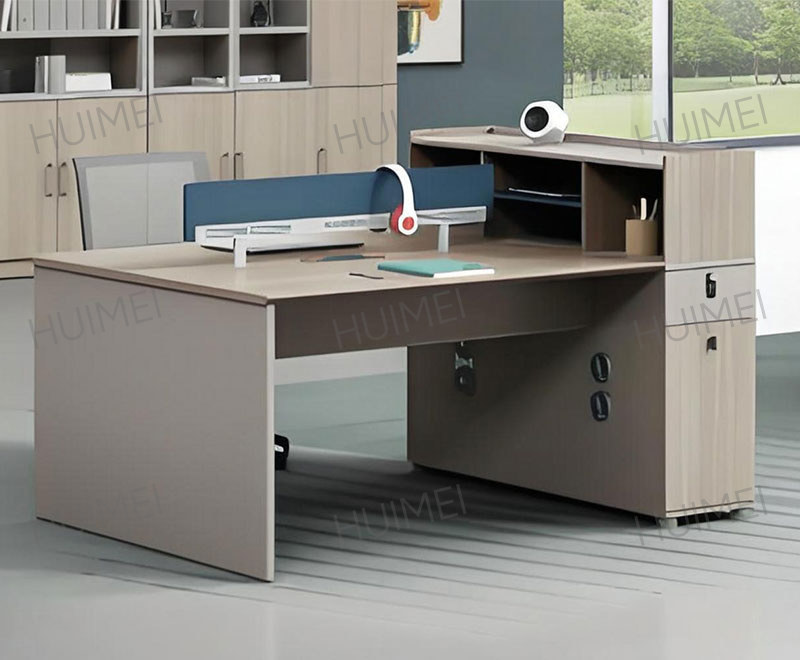
Ergonomics: The Non-Negotiable Foundation
Poor ergonomics in learning and working environments have measurable consequences. Research consistently shows that students in poorly fitted furniture report up to 50% higher rates of back discomfort and demonstrate lower concentration over extended sessions compared to peers in correctly sized, adjustable furniture. In offices, musculoskeletal disorders linked to poor seating are among the leading causes of lost productivity.
Chair Ergonomics
For both educational and office settings, look for chairs with:
- Adjustable seat height — enabling feet to rest flat on the floor with hips at 90°
- Lumbar support — to maintain the natural inward curve of the lower spine
- Seat depth adjustment — to support the full length of the thigh without pressure behind the knee
- Armrests (for office chairs) — set at elbow height to reduce shoulder tension during computer work
Desk and Table Height
The correct working surface height positions the forearms parallel to the floor when seated, with elbows at approximately 90°. For office environments, height-adjustable desks (sit-stand desks) that transition between approximately 65 cm (seated) and 120 cm (standing) are the gold standard — allowing users to alternate postures throughout the day and significantly reducing the risk of back pain and cardiovascular issues associated with prolonged sitting.
Age-Appropriate Sizing for Educational Environments
In schools and universities, furniture must be matched to the physical dimensions of the students. International standards (ISO 5970, EN 1729) define furniture size classes based on student height:
| Size Class | Student Height Range | Seat Height | Desk Height | Typical Grade Level |
|---|---|---|---|---|
| Size 2 | 93–116 cm | 26 cm | 46 cm | Kindergarten |
| Size 3 | 108–121 cm | 31 cm | 53 cm | Primary (lower) |
| Size 4 | 119–142 cm | 35 cm | 59 cm | Primary (upper) |
| Size 5 | 133–159 cm | 38 cm | 64 cm | Middle school |
| Size 6 | 146–176 cm | 43 cm | 71 cm | High school / adult |
Durability and Materials: What to Look for by Environment
Educational furniture faces significantly higher abuse than office furniture — it must withstand daily heavy use by large numbers of users across multiple years. Material choices should reflect this:
- Steel frames with powder-coat finish: the most durable option for high-traffic classrooms and canteens; resistant to impact, moisture, and graffiti; rated for loads of 120–150 kg per chair
- High-pressure laminate (HPL) tabletops: scratch, stain, and heat resistant; maintains appearance through years of daily use; available in a full range of colors and wood-effect finishes
- Polypropylene shell chairs: lightweight, stackable, easy to clean, and impact-resistant; cost-effective for classroom seating that requires frequent rearrangement
- Mesh-back office chairs: breathable and supportive for extended computer work; reduces the heat buildup that foam-backed chairs generate during long sessions
Safety Standards and Certifications to Verify
For educational environments in particular, furniture must comply with relevant safety standards to protect student welfare and meet institutional procurement requirements. Key certifications to request from suppliers include:
- EN 1729 (Europe): functional dimensions, safety, and strength testing for school furniture
- ANSI/BIFMA (USA): structural performance and safety standards for commercial seating and tables
- GREENGUARD or REACH compliance: confirms that materials and finishes do not off-gas harmful volatile organic compounds (VOCs) into enclosed learning environments
- Fire resistance ratings: particularly for upholstered seating in lecture halls and auditoriums
Space Planning: Density, Flow, and Flexibility
The best individual furniture pieces will underperform in a poorly planned layout. Key space planning principles for educational and office environments include:
- Minimum aisle width: 90 cm between rows for egress; 120 cm for primary circulation paths in offices and classrooms
- Activity zone separation: dedicated quiet zones, collaboration areas, and presentation spaces in open-plan offices and modern classrooms prevent acoustic and visual interference
- Technology integration: desks and tables should accommodate cable management channels, power outlets, and screen-mounting provisions without cluttering the work surface
- Storage solutions: built-in or ancillary storage (lockers, under-desk pedestals, shelf units) that keeps the primary work surface clear and supports organized learning or work habits
Copyright© Zhejiang Huimei Industry & Trade Co., Ltd. All Rights Reserved.
Professional School Furniture Manufacturer School Furniture Supplier