 English
 русский
 Français
 عربى
عربى Español
 Português
 简体中文
简体中文
How to Choose the Right Classroom Desk and Chairs?
Choosing the right Classroom Desk and Chairs starts with matching desk and seat height to the age and stature of the students who will use them, since this single decision affects posture, comfort and concentration more than any other furniture choice a school makes. International sizing standards make this easier than guessing: the EN 1729 standard used widely across Europe divides school furniture into size marks numbered 0 to 7 based on student height, while ANSI/BIFMA standards in the United States set equivalent guidance for furniture used in classroom and training environments. Once height is correctly matched, the next priorities are durability, materials and whether fixed or adjustable furniture better fits how the room will actually be used across a full school year or several years of student growth.
Content
- 1 Why Getting the Size Right Actually Matters
- 2 Sizing Furniture to Grade Level and Age
- 3 Fixed Height vs Adjustable Furniture
- 4 Material and Construction Choices That Affect Durability
- 5 Safety Features Worth Checking by Age Group
- 6 Layout Flexibility and Classroom Use Patterns
- 7 Classroom Furniture Buying Checklist
Why Getting the Size Right Actually Matters
Furniture sizing is not a cosmetic detail, it is directly tied to student health and academic performance. Research summarized in classroom furniture guidance confirms that when desks and chairs are properly matched to student body proportions, students maintain better posture, experience less fatigue and can concentrate more effectively on learning tasks. The same guidance notes that poor furniture fit can lead to musculoskeletal problems, particularly affecting the neck, shoulders and back, which makes desk and chair sizing an ergonomic and health decision as much as a comfort one.
Sizing Furniture to Grade Level and Age
Because students grow substantially during their school years, furniture height needs to track that growth in stages rather than using a single size across an entire school. General guidance for elementary age groups indicates that desk heights typically range from 460mm to 640mm for students aged 5 to 10, with corresponding seat heights between 260mm and 380mm, reflecting the significant growth that occurs during early school years. In inch based terms commonly referenced in the United States, standard school desk height generally falls between 28 and 30 inches, based on average student height, though this range shifts downward considerably for younger elementary students and upward slightly for larger or older students.
General Age to Furniture Size Reference
| Age or Grade Range | Approximate Desk Height | Approximate Seat Height |
| Early Elementary, Ages 5 to 7 | 460mm to 520mm | 260mm to 300mm |
| Upper Elementary, Ages 8 to 10 | 520mm to 640mm | 300mm to 380mm |
| Middle School | Approaching 24 to 28 inches | Scaled proportionally to desk height |
| High School and Adult Standard | 28 to 30 inches | Scaled proportionally to desk height |
Schools should treat these figures as general reference points rather than fixed rules, since student height varies meaningfully within any single grade, and manufacturer specific size marks under EN 1729 or ANSI/BIFMA should be verified directly against the actual furniture being purchased.
Fixed Height vs Adjustable Furniture
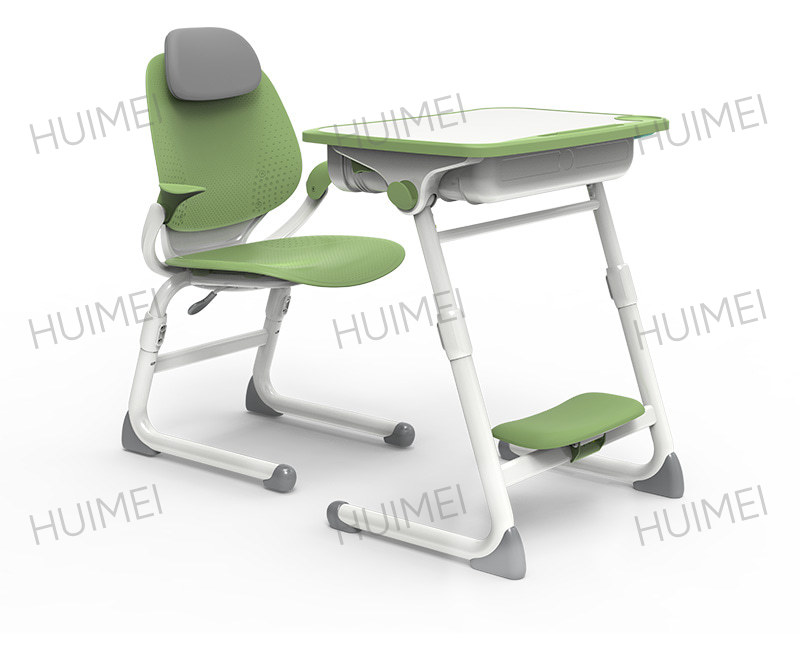
One of the most consequential decisions in classroom furniture selection is whether to buy fixed height desks and chairs sized to a specific grade band, or to invest in height adjustable furniture that can grow with students over multiple years. Analysis of children's furniture sizing notes that a desk correctly sized for a student at one age typically becomes too small within just two to three years as the child grows, meaning schools that purchase fixed height furniture for a K through 12 population may need to replace desks and chairs multiple times across a student's education to keep sizing appropriate.
When Adjustable Furniture Makes the Most Sense
Height adjustable desks and chairs are particularly valuable in mixed age classrooms, shared spaces used across different grade levels, or any room where consistent long term flexibility outweighs the lower upfront cost of fixed sized alternatives. For single grade classrooms with a stable, predictable student population, correctly sized fixed height furniture remains a practical, cost effective choice, provided schools plan for periodic resizing as that student population moves through the school.
Material and Construction Choices That Affect Durability
Classroom furniture faces daily wear that few other furniture categories experience, from constant sliding and stacking to accidental impacts and spills, which makes construction material a practical durability decision rather than a purely aesthetic one. Steel and wood combination construction is commonly recommended for classroom desks and chairs specifically because it provides both structural strength and a long service life suited to heavy daily use, compared with lighter weight materials that may wear or loosen faster under repeated classroom handling. Frame joints, edge finishing and surface coatings are worth checking closely during selection, since these are typically the first points of failure in furniture subjected to years of continuous classroom use.
Safety Features Worth Checking by Age Group
Safety requirements shift meaningfully depending on the age of the students using the furniture. Younger elementary students benefit most from rounded corners and edges, stable low centers of gravity, and simple, sturdy construction that resists tipping during active classroom use, while secondary school furniture can reasonably prioritize other features such as technology integration and adjustable configurations suited to older students working more independently. Schools serving a wide age range within the same building should confirm that furniture purchased for younger grades specifically meets the safety expectations appropriate to those younger students, rather than assuming a single furniture line covers all age appropriate safety needs equally.
Layout Flexibility and Classroom Use Patterns
Beyond individual desk and chair sizing, how furniture performs across different classroom activities matters increasingly as teaching methods shift toward more collaborative and flexible learning formats. Furniture designed to move and regroup easily supports classrooms that alternate between individual work, small group collaboration and full class instruction without requiring separate furniture sets for each format. For schools planning new classrooms or renovating existing spaces, evaluating how easily desks and chairs reconfigure, stack for storage, or combine into group arrangements is worth weighing alongside basic sizing and durability criteria.
Classroom Furniture Buying Checklist
- Confirm desk and seat height against EN 1729, ANSI/BIFMA or the manufacturer's equivalent size guide for your actual student age range
- Decide between fixed height and adjustable furniture based on classroom stability and expected years of use
- Choose steel and wood combination or similarly durable construction for classrooms with heavy daily use
- Verify age appropriate safety features, particularly rounded edges and tip resistance for younger grades
- Evaluate stacking, mobility and reconfiguration options if the classroom supports multiple teaching formats
- Order a sample or reference unit to test actual fit with real students before committing to a full classroom order
Selecting the right classroom desk and chairs starts with matching furniture height to student age using established sizing references such as EN 1729 or ANSI/BIFMA, then layering in durability, safety and flexibility decisions suited to how the classroom is actually used day to day. Getting sizing wrong has a real cost, since ill fitted furniture is linked to posture problems and reduced concentration, while getting it right supports comfort, health and better classroom engagement across the school year. A well specified Classroom Desk and Chairs set built around the correct age appropriate sizing and durable construction gives schools furniture that performs reliably for years rather than becoming an early, avoidable replacement cost.
Copyright© Zhejiang Huimei Industry & Trade Co., Ltd. All Rights Reserved.
Professional School Furniture Manufacturer School Furniture Supplier