 English
 русский
 Français
 عربى
عربى Español
 Português
 简体中文
简体中文
How to Choose the Right Classroom Desk and Chairs for Different Age Groups of Students?
Choosing the right Classroom Desk and Chairs for different age groups of students is crucial for improving student comfort and effectively enhancing learning efficiency. With the advancement of educational concepts, the design of classroom desks and chairs has increasingly focused on ergonomics, space utilization, and the physical and mental development needs of students. Therefore, when selecting Classroom Desk and Chairs, it is essential to tailor them based on students' age, height, and learning requirements. Primary and secondary school students have different comfort requirements for desks and chairs, and factors such as height, size, materials, and adjustability should be matched to the specific age characteristics of the students. Through proper selection and arrangement, a more suitable learning environment can be created, improving classroom participation and learning efficiency.
Content
1. Selecting Desk and Chair Height and Size According to Age Group
One of the most important criteria for choosing Classroom Desk and Chairs suitable for each age group is the height of the desks and chairs. Determining the size of desks and chairs based on age and height can effectively prevent discomfort caused by improper desk and chair height, such as back pain or eye strain.
Kindergarten and Lower Grade Students (Ages 4-8):
Students in this age group are relatively short, so desk and chair heights need to suit their body sizes. Generally, desk height should be 50-55 cm, and chair seat height should be 30-35 cm. The seat depth and width should accommodate the children's body size to ensure they maintain a correct sitting posture in the classroom.
Middle and Upper Grade Students (Ages 9-14):
As students grow, their height and body size increase. For this age group, desk and chair heights should be suitable for their size and sitting posture. Desk height should be around 70-75 cm, and chair seat height should be 40-45 cm. At this stage, the design of the chair seat and backrest should focus more on ergonomics, providing better back support.
High School and College Students (Ages 15 and above):
High school and college students' heights are generally close to adult standards. The height and design of the desk and chair should conform to adult standards. Desk height is usually 75-80 cm, and chair seat height is 45-50 cm. To ensure comfort during long study sessions, desks and chairs at this stage should have adjustability, allowing students to adjust their sitting posture as needed.
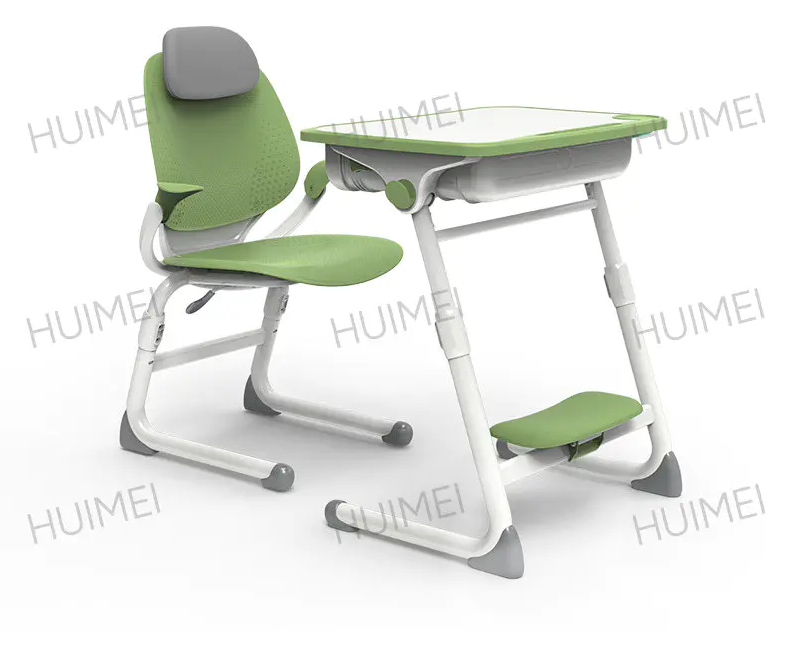
2. Ergonomic Design for Comfort and Health
The design of Classroom Desk and Chairs should not only focus on size matching but also on ergonomics. Long periods of improper sitting posture can lead to spinal compression, neck discomfort, and even vision problems. Ergonomically designed desks and chairs can effectively reduce the physical strain on students and prevent health issues caused by prolonged poor posture.
Backrest Design:
The backrest should have an appropriate curvature to support the student’s spine. Especially for younger students, whose spine development is not yet complete, the backrest design should ensure sufficient support.
Seat Depth and Width:
The seat depth should be appropriate for the student's height. A seat that is too deep can lead to incorrect posture, while a seat that is too shallow does not provide adequate comfort. The width of the chair should also match the student's body size, as a seat that is too narrow can cause discomfort and affect concentration.
Adjustability:
For high school and college students, adjustable desks and chairs are particularly important, especially for students of varying heights. Adjustable desks and chairs can meet the needs of different heights, ensuring that students maintain the correct posture during long study sessions.
3. Material Selection and Durability
The materials used for desks and chairs directly affect their durability and comfort. Classroom desks and chairs need to withstand long-term use, so material selection should consider not only durability but also comfort and safety.
Lower Grade Students:
For younger students, the materials of the desk and chairs are typically eco-friendly plastic or wood. These materials ensure durability while being safe for students' health. In addition, plastic backrests are usually lightweight and easy to move, making them suitable for students' flexible use in the classroom.
Middle and Upper Grade Students:
The desks and chairs for middle and upper grade students should use sturdier wood materials or metal frames. Metal-frame desks and chairs are typically more durable and can withstand more pressure, making them suitable for the increased demands of daily use by older students.
High School and College Students:
For high school and college students, desks and chairs should not only be durable but also focus on aesthetics and design. Desks and chairs made of a combination of metal and wood can ensure strength while enhancing the classroom's overall appearance. The seat cushion materials can be selected to be softer and more comfortable to improve comfort during long study sessions.
4. Flexibility and Space Utilization of Desks and Chairs
With changes in educational models, classroom layouts increasingly emphasize flexibility and interaction. Choosing movable and adjustable desks and chairs can better adapt to classroom activities and provide more possibilities for space utilization.
Stackable Desks and Chairs:
For lower grade students, lightweight and stackable desk and chair designs help adjust the classroom setup and make the most of classroom space.
Highly Mobile Desks and Chairs:
For middle and upper grade students, desks and chairs with wheels are a good option. This design facilitates student movement within the classroom, especially during group discussions, collaborative learning, and other interactive activities.
5. Aesthetic Design and Adaptability
The aesthetic design of Classroom Desk and Chairs should not be overlooked. The color, style, and materials of the desks and chairs need to coordinate with the overall style of the classroom. For example, younger students can use desks and chairs that are colorful and playful, while for middle and upper grade students, simpler and more modern designs can help them focus and engage better in their studies.
Classroom Desk and Chairs Buying Guide
| Age Group | Recommended Desk and Chair Height | Recommended Design Features | Material Suggestions |
| Kindergarten & Lower Grade Students | Desk height: 50-55 cm, Chair height: 30-35 cm | Ergonomic design, backrest support, lightweight, colorful | Eco-friendly plastic or wood, lightweight and durable |
| Middle & Upper Grade Students | Desk height: 70-75 cm, Chair height: 40-45 cm | Posture correction, backrest support, safety edge | Wood or metal frame, durable and stable |
| High School & College Students | Desk height: 75-80 cm, Chair height: 45-50 cm | Adjustable features, comfortable cushion, simple modern design | Metal and wood combination, durable and aesthetically pleasing |
Choosing the right Classroom Desk and Chairs for different age groups is an important step in ensuring students' physical health and improving learning efficiency. By selecting desks and chairs based on students' age, height, and learning needs, discomfort from improper posture can be effectively reduced, while comfort and interaction in the classroom can be enhanced. Focusing on ergonomic design, choosing appropriate materials and sizes, and considering the overall classroom layout will create a better learning environment for students.
Copyright© Zhejiang Huimei Industry & Trade Co., Ltd. All Rights Reserved.
Professional School Furniture Manufacturer School Furniture Supplier