 English
 русский
 Français
 عربى
عربى Español
 Português
 简体中文
简体中文
How to Choose the Best Dormitory Furniture?
Choosing the best dormitory furniture requires balancing space efficiency, durability, multi-functionality, student comfort, and budget constraints. The ideal dormitory furniture maximizes limited living space through smart design, withstands heavy student use for 10-15 years, and creates an environment conducive to both studying and relaxation.
Content
Space Optimization Strategies
Multi-Functional Design Priority
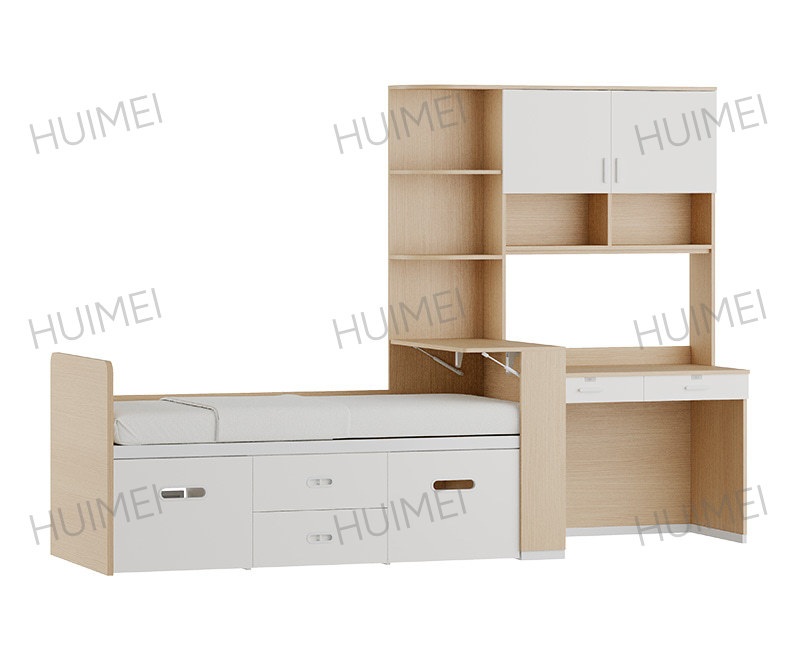
Dormitory rooms typically offer limited square footage, making multi-functional furniture essential. Loft beds with integrated desks underneath transform sleeping areas into study zones. Storage ottomans provide seating while concealing belongings. Folding or extendable tables adapt to different activities from individual study to group projects. Every furniture piece should serve at least two purposes to maximize utility within constrained spaces.
Vertical Space Utilization
Effective dormitory furniture leverages vertical space through tall shelving units, wall-mounted storage, and elevated bed configurations. Standard dormitory beds should accommodate under-bed storage containers at least 12 inches in height. Wardrobes and bookcases reaching near ceiling height maximize storage without expanding floor footprint. Wall-mounted desks and fold-down surfaces free floor area for movement and alternative activities.
Durability and Construction Quality
Material Selection for Longevity
Dormitory furniture must withstand continuous use by multiple students over many years. Solid hardwood frames, commercial-grade metal construction, and high-pressure laminate surfaces offer superior durability compared to residential-grade alternatives. Avoid particleboard or MDF in high-stress applications like bed frames and desk surfaces. Look for furniture rated for institutional use with warranties of 10 years or more.
Wear-Resistant Finishes
Surfaces should feature scratch-resistant, stain-resistant finishes that maintain appearance despite heavy use. Powder-coated metal resists chipping and corrosion. High-pressure laminates withstand cleaning chemicals and daily wear. Upholstery fabrics should meet or exceed 50,000 double rubs on the Wyzenbeek abrasion test for commercial durability.
The following table compares material options for dormitory furniture:
| Material | Durability Rating | Best Application |
|---|---|---|
| Solid hardwood | Excellent (15+ years) | Bed frames, desks, chairs |
| Commercial metal | Excellent (15+ years) | Bed frames, shelving, storage |
| High-pressure laminate | Very Good (10-15 years) | Desk surfaces, tabletops |
| Engineered wood | Moderate (5-8 years) | Shelving, non-structural items |
| Upholstered fabric | Variable (50,000+ rubs) | Lounge seating, headboards |
Student Comfort and Ergonomics
Ergonomic Study Spaces
Dormitory desks and chairs must support extended study sessions without causing discomfort or injury. Desk height should accommodate standard 29-30 inch chair seat heights, with surface dimensions at least 24 inches deep by 36 inches wide for adequate workspace. Chairs should provide lumbar support, adjustable height, and stable bases. Task lighting integration reduces eye strain during nighttime study.
Sleep Quality Considerations
Beds represent the most personally used furniture in dormitories. Mattress quality significantly impacts student health and academic performance. Select mattresses at least 6-8 inches thick with medium-firm support. Bed frames should eliminate squeaking and provide stable support without motion transfer. Consider adjustable or modular bed configurations that accommodate different student preferences and physical needs.
Safety and Compliance Requirements
Structural Safety Standards
All dormitory furniture must comply with relevant safety standards including ASTM, BIFMA, and CPSC guidelines. Bunk and loft beds require guardrails on all sides with specific height and gap requirements. Furniture should be tip-resistant or include anchoring hardware for units exceeding certain dimensions. Fire safety codes may restrict upholstery materials to those meeting specific flame resistance ratings.
Accessibility Compliance
Dormitory furniture selections must accommodate students with disabilities in accordance with ADA requirements. Adjustable-height desks, accessible closet configurations, and beds at appropriate heights ensure inclusive living environments. At least 5% of rooms or a minimum number should feature fully accessible furniture arrangements.
Technology Integration
Power and Connectivity
Modern students require extensive technology integration. Desks should include cable management systems, integrated power outlets, and USB charging ports. Beds and seating may incorporate charging stations for mobile devices. Wi-Fi signal considerations may influence furniture placement and material selection to avoid interference.
Flexible Learning Support
Furniture should support both individual study and collaborative learning. Mobile whiteboards, modular seating, and reconfigurable table arrangements enable students to adapt spaces for group projects. Video conferencing capabilities may require furniture positioning that supports virtual collaboration with adequate lighting and acoustic considerations.
Budget and Procurement Considerations
Total Cost of Ownership
While initial purchase price matters, total cost of ownership provides better value assessment. Quality furniture with 15-year lifespans may cost more upfront but reduce replacement frequency and maintenance expenses. Calculate costs per year of service life rather than focusing solely on purchase price. Include delivery, installation, and warranty coverage in cost comparisons.
Sustainable Procurement
Environmental considerations increasingly influence furniture selection. Look for FSC-certified wood, recycled content, and low-VOC finishes. Manufacturers with take-back programs and recyclable products support circular economy initiatives. Sustainable choices may qualify for LEED points in new construction or renovation projects.
Copyright© Zhejiang Huimei Industry & Trade Co., Ltd. All Rights Reserved.
Professional School Furniture Manufacturer School Furniture Supplier