 English
 русский
 Français
 عربى
عربى Español
 Português
 简体中文
简体中文
How to Choose Classroom Furniture for Every Grade?
Choosing classroom furniture for every grade level requires aligning furniture size, flexibility, ergonomics, and durability with students’ physical development and learning behaviors. The most effective classrooms use age-appropriate dimensions, adaptable layouts, and ergonomic designs to improve comfort, focus, and participation. Younger students benefit from flexible, colorful, and interactive furniture, while older students require more structured, supportive, and technology-compatible setups.
The key is not just selecting desks and chairs, but creating a learning environment tailored to how students in each grade think, move, and collaborate. Below is a detailed breakdown of how to make the right choices at every stage.
Content
- 1 Understand Student Needs by Age Group
- 2 Choose the Right Furniture Dimensions
- 3 Prioritize Ergonomics and Comfort
- 4 Focus on Flexibility and Classroom Layout
- 5 Consider Durability and Maintenance
- 6 Integrate Storage and Technology Needs
- 7 Match Furniture to Teaching Style
- 8 Final Recommendations for Smart Furniture Selection
Understand Student Needs by Age Group
Each grade level has distinct physical, cognitive, and behavioral characteristics that directly influence furniture selection. Ignoring these differences can lead to discomfort, reduced attention, and even long-term posture issues.
Early Childhood (Pre-K to Grade 2)
- Shorter attention spans require flexible seating options
- Frequent movement demands lightweight, easy-to-move furniture
- Rounded edges and soft materials improve safety
Upper Elementary (Grades 3–5)
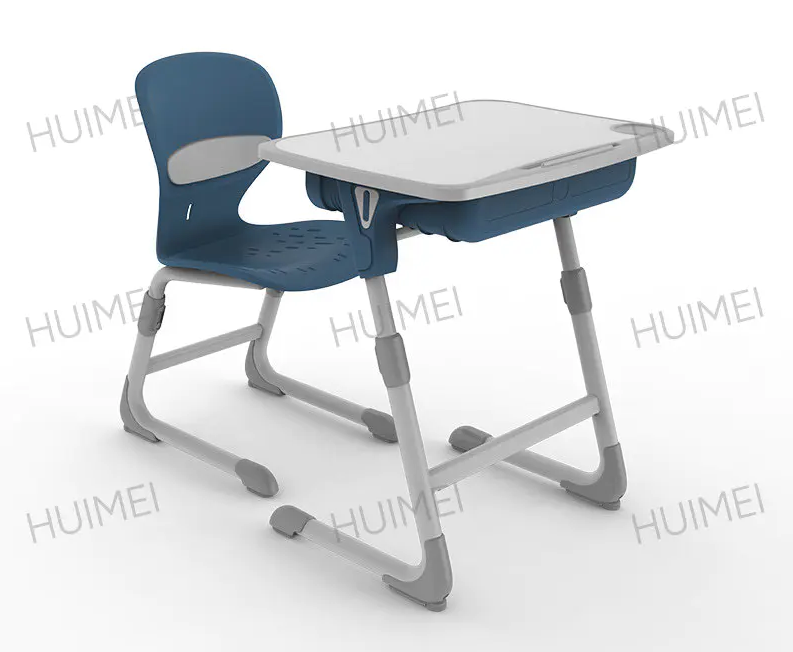
- Growing bodies require adjustable-height desks and chairs
- Increased group work calls for modular desk arrangements
- Storage becomes more important for books and materials
Middle and High School (Grades 6–12)
- Longer sitting periods require ergonomic support
- Technology integration demands cable management and device space
- Independent and collaborative learning require flexible layouts
Choose the Right Furniture Dimensions
Proper sizing is one of the most critical factors. Furniture that does not match student height can reduce concentration by up to 30% and increase fatigue. Chairs should allow feet to rest flat on the floor, and desks should align with elbow height when seated.
| Recommended Desk and Chair Heights by Grade Level | ||
| Grade Level | Chair Height | Desk Height |
| Pre-K–K | 10–12 inches | 18–20 inches |
| Grades 1–3 | 12–14 inches | 20–22 inches |
| Grades 4–6 | 14–16 inches | 22–26 inches |
| Grades 7–12 | 16–18 inches | 26–30 inches |
Adjustable furniture is especially valuable in mixed-grade or rapidly growing classrooms, allowing schools to extend usability and maintain ergonomic standards.
Prioritize Ergonomics and Comfort
Ergonomic design directly impacts student health and learning efficiency. Poor posture can lead to discomfort within 20–30 minutes of sitting, reducing engagement and productivity.
- Backrests should support the natural curve of the spine
- Seat depth should allow 2–3 inches of space behind the knees
- Desks should provide adequate legroom to prevent restriction
For older students, consider chairs with slight flexibility or movement to reduce static sitting fatigue. For younger students, soft seating areas can enhance comfort and encourage reading and creative play.
Focus on Flexibility and Classroom Layout
Modern teaching methods emphasize collaboration, which makes flexible furniture essential. Classrooms with adaptable layouts can improve student participation by up to 25%.
Flexible Furniture Options
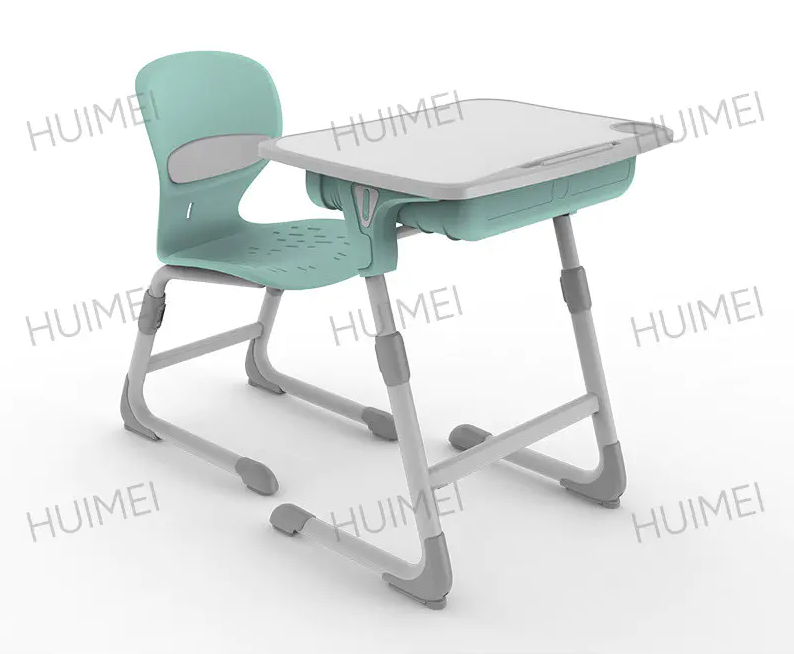
- Modular desks that can be grouped or separated
- Stackable chairs for space-saving
- Mobile furniture with lockable casters
Layout Strategies
- Cluster seating for group discussions
- Rows for focused instruction or testing
- U-shape layouts for interactive teaching
Younger grades benefit from open floor space and activity zones, while older grades require structured yet adaptable arrangements.
Consider Durability and Maintenance
Classroom furniture must withstand daily wear and tear. High-quality materials can extend furniture lifespan by 5–10 years, reducing long-term costs and disruptions.
- Scratch-resistant surfaces for desks
- Sturdy metal or reinforced frames
- Easy-to-clean materials for hygiene
Early-grade classrooms often require more frequent cleaning due to spills and hands-on activities, while higher grades need furniture that can support heavier use and equipment.
Integrate Storage and Technology Needs
Storage and technology integration are increasingly important across all grade levels. Classrooms with organized storage can reduce transition time by up to 20%.
Storage Solutions
- Cubbies and bins for younger students
- Under-desk storage for elementary levels
- Lockers or secure compartments for older students
Technology Integration
- Desks with cable management systems
- Charging stations for devices
- Surfaces large enough for laptops or tablets
Match Furniture to Teaching Style
Furniture should support how teachers deliver lessons. A mismatch between furniture and teaching style can limit effectiveness.
- Project-based learning benefits from large shared tables
- Lecture-based instruction works well with aligned desks
- Hybrid learning requires flexible and tech-ready setups
Schools should evaluate curriculum goals before investing in furniture to ensure alignment with teaching methods.
Final Recommendations for Smart Furniture Selection
Selecting classroom furniture is a strategic decision that impacts learning outcomes, student health, and classroom efficiency. The best approach combines proper sizing, ergonomic support, flexibility, and durability tailored to each grade level.
- Always match furniture dimensions to student height ranges
- Invest in adjustable and flexible designs where possible
- Prioritize ergonomics to support long-term health
- Plan layouts that support both collaboration and focus
- Ensure durability for long-term use
By applying these principles, educators and administrators can create classrooms that are not only functional but also supportive of modern learning needs across every grade level.
Copyright© Zhejiang Huimei Industry & Trade Co., Ltd. All Rights Reserved.
Professional School Furniture Manufacturer School Furniture Supplier