 English
 русский
 Français
 عربى
عربى Español
 Português
 简体中文
简体中文
How to Choose an Ergonomic Chair?
In modern office environments, prolonged sitting has become the norm. Back pain, stiff neck, and other common ailments among office workers make purchasing a high-quality Ergonomic Chair a necessary health investment, not a luxury.
Content
I. Core Support: Lumbar Support and Back Support
The primary consideration when choosing an ergonomic chair is support.
S-shaped Spine Protection Design: A high-quality chair must conform to the physiological curvature of the human spine. When searching for ergonomic chairs, pay close attention to whether they offer "independent zone support."
Dynamic Lumbar Support: The best support "moves with the user." Whether you're leaning forward while working or reclining to rest, the lumbar support should precisely support the 3rd to 5th lumbar vertebrae. This is a key indicator of a professional Ergonomic Chair.
II. Core Component: Chassis and Adjustment Sensitivity
The chassis is considered the "heart" of an ergonomic chair, determining the upper limit of seating comfort.
Gravity-Sensing Chassis: This type of chassis automatically adjusts the reclining force based on the user's weight. If you're choosing an ergonomic chair for a shared office, this avoids the hassle of frequent manual adjustments.
Multi-dimensional Adjustment (4D/5D Armrests): Adjustable armrest height, fore-aft position, and angle effectively support arm pressure and prevent shoulder pain. When comparing ergonomic chair specifications, the flexibility of the armrests is crucial.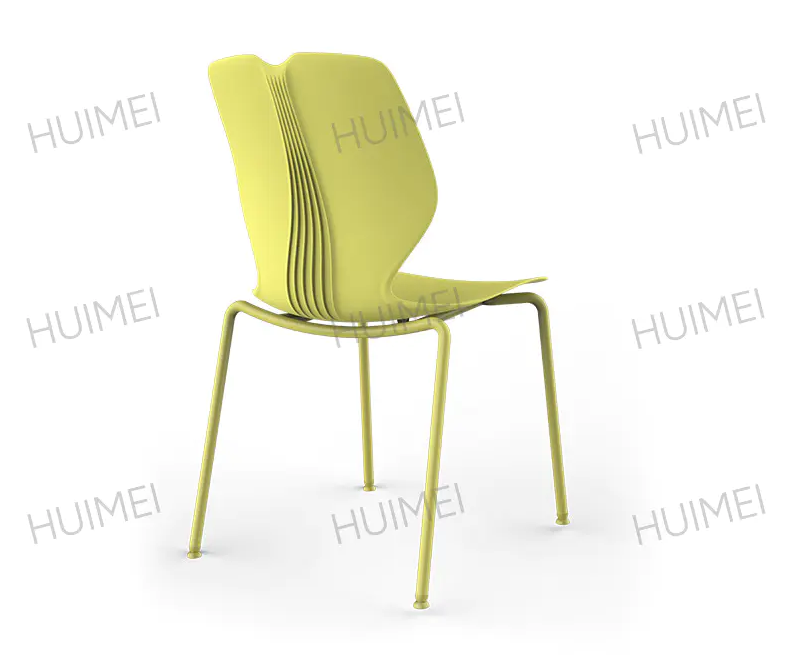
III. Safety Foundation: Gas Spring and Material Selection
Safety is always paramount. When selecting an ergonomic chair, carefully check the following hardware:
Safety Gas Spring: Ensure the product has SGS, TÜV, or BIFMA international certifications. It's recommended to prioritize Class 4 gas springs, as they have higher nitrogen purity and thicker tube walls, completely eliminating safety hazards.
Mesh Fabric and Foam: For breathability, choose a high-elasticity mesh ergonomic chair; for a firmer feel, choose high-density molded foam. Good mesh fabric should have the characteristics of "quick rebound and non-abrasive to clothing."
IV. Scenario-Based Purchasing Recommendations
Home Office: We recommend choosing an ergonomic chair with a large reclining angle and extendable footrest for convenient lunch breaks.
Professional Gaming/Programming: Strong head and cervical spine support is essential; we recommend models with a large curved headrest.
Small Apartment Users: Pay attention to whether the armrests can be flipped up so the chair can be pushed under the desk to save space.
How to Choose an Ergonomic Chair? In summary: Check if the back support is precise, if the chassis adjustment is smooth, and if all safety certifications are complete. A good Ergonomic Chair not only relieves physical pressure but also improves work efficiency by improving posture.
As a professional ergonomic chair manufacturer, we are committed to providing you with sedentary solutions that better suit the spinal characteristics of Chinese people.
Copyright© Zhejiang Huimei Industry & Trade Co., Ltd. All Rights Reserved.
Professional School Furniture Manufacturer School Furniture Supplier