 English
 русский
 Français
 عربى
عربى Español
 Português
 简体中文
简体中文
How a Reading Desk Can Improve Concentration?
In today's world of information overload, in-depth reading and efficient learning have become increasingly luxurious. Many people find it difficult to concentrate for extended periods, even in a quiet environment. In fact, the core issue often lies not in self-discipline, but in your reading desk.
As a core tool for learning and working, a scientifically designed reading desk is not just furniture, but also an "efficiency booster" for enhancing concentration.
Content
1. Sense of Spatial Boundaries: Establishing a Psychological Cue for Focus
Psychological research shows that the environment has a strong suggestive effect on behavior. A dedicated reading desk can establish a "focus anchor" for the brain.
Functional Zoning: When you sit at a clean and tidy reading desk, your brain automatically switches to "work mode," reducing the feeling of lethargy that occurs on a sofa or bed.
Reducing Visual Distractions: High-quality reading desks usually feature well-organized cable management and storage space. Say goodbye to messy wires and piles of clutter; visual cleanliness directly reduces the cognitive load on the brain, making it easier to focus on the book.
2. Ergonomic Design: Physical Comfort Determines Endurance
Inability to concentrate for extended periods often stems from physical fatigue. Ergonomic reading desks optimize posture, reducing distractions caused by physical fatigue at their source.
Optimal Height: A suitable reading desk height ensures the user's elbows hang naturally, maintaining a scientifically appropriate distance between the user's eyes and the book. This not only protects eyesight but also relieves pressure on the cervical and lumbar spine.
Dynamic Adjustment: The increasingly popular height-adjustable reading desks support alternating sitting and standing. By changing physical posture, they promote blood circulation, delivering more oxygen to the brain and effectively combating afternoon drowsiness.
3. Synergy of Lighting and Materials: Creating an Immersive Atmosphere
The combination of the reading desk's materials and surrounding lighting is a sophisticated way to create an immersive experience.
Diffuse Reflection Desktop: High-quality reading desks often use matte or slightly frosted materials, effectively reducing glare from reflected light. This design protects the retina and reduces eye strain.
Reshaping the Light Environment: Using a dedicated eye-protection lamp for your reading desk creates a localized area of high brightness, while the surrounding environment remains relatively dim. This "spotlight effect" naturally focuses your attention on the desktop.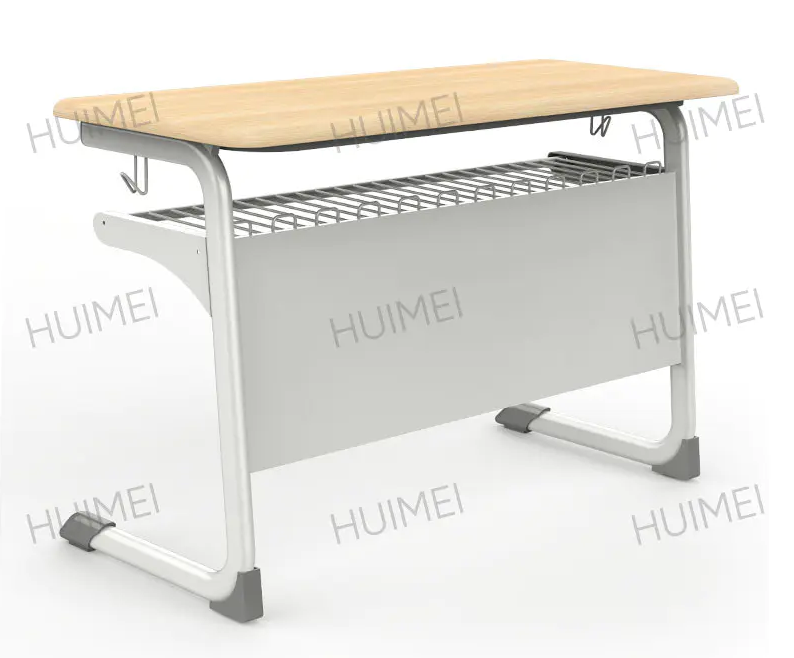
How to Choose the Perfect Reading Desk for You?
To achieve a leap in focus with your reading desk, consider the following criteria when purchasing to optimize your physical environment:
Scientific Desktop Dimensions: A reading desk with a depth of at least 60cm is recommended. Ample depth not only accommodates your computer and books but also ensures sufficient support for your arms. When your arms are no longer dangling, the relaxation of your neck and shoulder muscles significantly extends your deep reading time.
Healthy Material Selection: Prioritize environmentally friendly E0-grade boards or natural solid wood. High-quality reading desk materials have a warm, smooth feel and no irritating odor. A healthy olfactory environment and comfortable tactile feedback reduce fidgeting caused by discomfort, allowing for more agile thinking.
Efficient Storage System: An ideal reading desk should have concealed cable management channels or well-organized storage compartments. By concealing messy charging cables and infrequently used stationery, a clean and visually uncluttered desktop physically eliminates distractions, helping you quickly enter a state of flow.
Stable Structural Design: The stability of a reading desk is crucial. A sturdy, evenly weighted desk ensures it remains perfectly still when turning pages or writing. Avoiding even the slightest physical wobbling prevents sudden interruptions to concentration, ensuring continuous thought.
An excellent reading desk is a bridge connecting the reader and knowledge. By creating an organized space, providing comfortable support, and filtering environmental noise, it constructs a "flow space" for the user.
Copyright© Zhejiang Huimei Industry & Trade Co., Ltd. All Rights Reserved.
Professional School Furniture Manufacturer School Furniture Supplier